Identification and study of intact natural areas
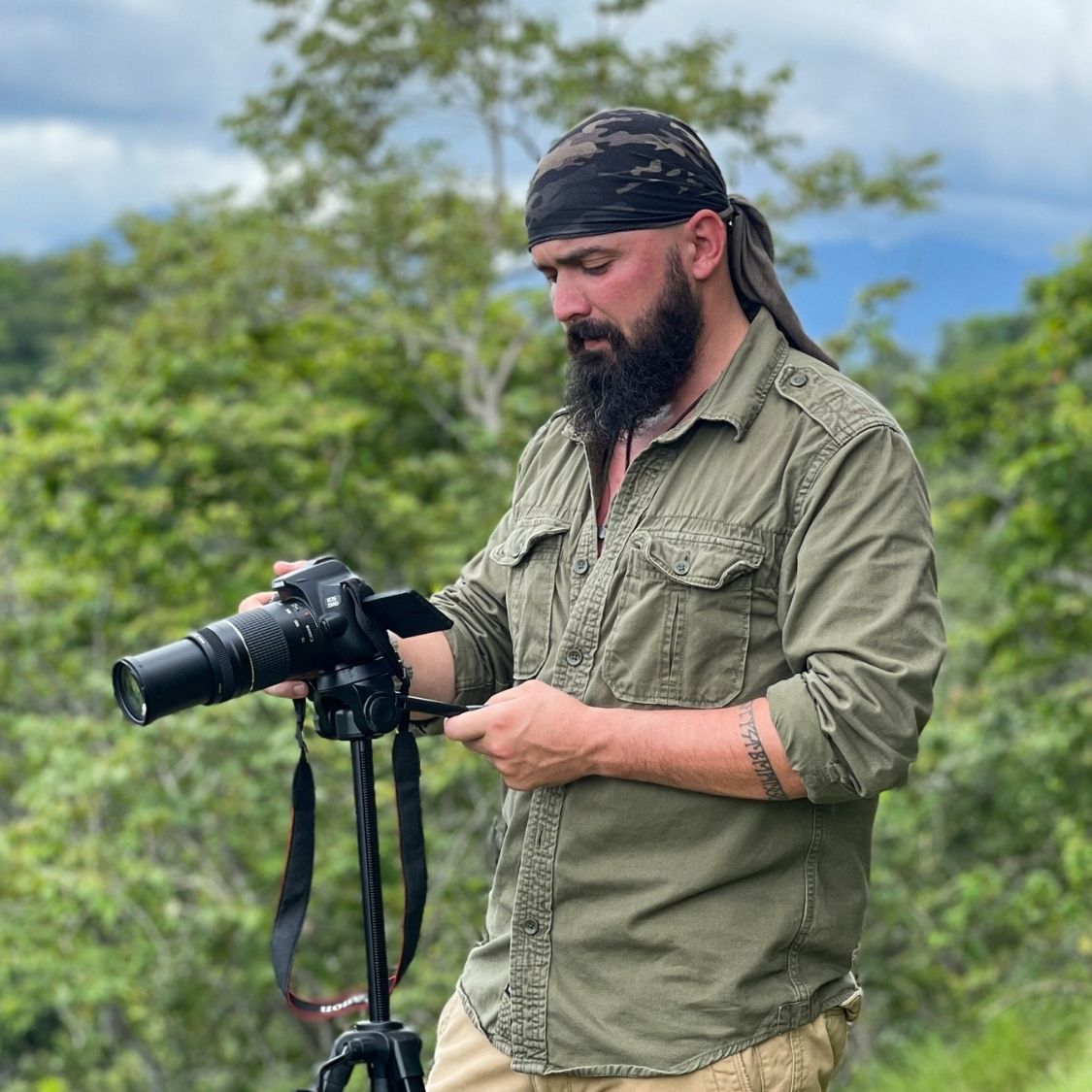
I think I underestimated the scale and complexity of the work involved in defining the boundaries of the future Territories of Full Ecological Tranquility (TFET). At the moment, I am researching and collecting data on all remaining intact natural areas. We need to identify all such areas that still exist, develop criteria, study natural zones, locate the largest remaining natural landscapes, and overlay this with data on human infrastructure. Ideally, we also need to understand the history of disturbance in these territories and gradually identify the most valuable natural cores. Scientific research is extremely helpful here, especially where regional studies already exist, because we can rely on data collected by scientists in our work.
Overall, even this task alone is extremely difficult. It is mentally exhausting, and I get tired quickly. My body has also not fully recovered after dengue fever, which makes the work even harder. There are enormous amounts of documents, data, and research to process. Ideally, this work should be carried out by scientific teams, with each team assigned a separate specialized task. It also requires substantial funding so that fieldwork can be conducted, experts with the necessary knowledge and equipment can be involved, and cooperation with governments can be established.
Our task with you is smaller. We need to try, with the resources we have, to raise the fundamental questions surrounding the creation of TFET and the transformation of the protected area system as a whole. Why is this necessary? Where could the approximate boundaries be drawn? What would these territories look like? And how can we build public support for them? Once the Concept is adopted, working groups should be established within governments and independent international organizations, where scientists can study the existing protected area system and work on its transformation into TFET.
I do not know whether we will succeed or whether we will be able to accomplish the tasks we have set for ourselves, but we have to try. I also have ideas for creating a digital infrastructure for wildlife protection, but on an independent international scale with broad global reach. Perhaps we will be able to implement this in the future. For now, let us continue our work. We will succeed. There is no greater honor than to live knowing that you are striving toward a higher purpose, carrying a Mission in the struggle for Life.
© PAVEL PASHKOV